Skip to content
  • (315)-967-9966
  • WalkthelinePugranch@gmail.com / WalkthelinePugranch.org / HardRockFarmllc@gmail.com / HardRockFarm-Pyrs-Saints.org

PUGS OF DISTINCTION & GENTLE GIANTS OF LEGACY

  • WELCOME TO OUR FARM'S, WALK THE LINE PUG RANCH & HARD ROCK FARM'S GREAT PYRENEES & SAINT BERNARDS
  • WEBSITE INTRODUCTION
  • NEWS & EVENTS
  • CONTACT US
  • ADOPT APPLY PUGS
  • ADOPT PKGE PUGS
  • ADOPT FEES PUGS
  • OUR STORY
  • OUR MISSION
  • WHAT WE DO
  • PUPPY PRE-ADOPT PUGS
  • VISITATIONS
  • OUR LOCATION
  • COVID 19
  • MAKE A PAYMENT
  • TESTIMONIALS
  • PUGS GALLERY
  • WTL #1 BREEDER
  • NEW LITTERS PUGS
  • PUPS & ADOLESCENTS AVAILABLE PUGS
  • ADULT PUGS AVAILABLE
  • ADOPT ITINERARY PUGS
  • PUGS OF DISTINCTION
  • BACK N BLACK
  • PPID PROTOCOL
  • PUG BREED
  • PUG HISTORY
  • I LUV PUGS
  • ROCK N ALI
  • LUCY MAC
  • PUG CHOW
  • POTTY TRAIN PUGS
  • WTL & AKC
  • FREE PUGS
  • PUG RESCUE WTL
  • PUG RESCUE PUBLIC
  • PYRS & SAINTS GALLERY
  • ADOPT APPLY PYRS & SAINTS
  • ADOPT PKGE PYRS & SAINTS
  • ADOPT FEES PYRS & SAINTS
  • PUPPY PRE-ADOPT PYRS & SAINTS
  • NEW LITTERS PYRS & SAINTS
  • PUPS & ADOLESCENTS AVAILABLE PYRS & SAINTS
  • ADULT PYRS & SAINTS AVAILABLE
  • GREAT PYRENEES BREED
  • SAINT BERNARD BREED
  • WAITING LIST
  • POTENTIAL DOG ADOPTION
  • WEB SITE MEMBERSHIP
  • QUICK QUERY
  • WEB SITE TERMS

Private NYS Hobby Pure Breed Pug, Great Pyrenees & Saint Bernard Breeder
American Homestead of the Original Ancient Chinese Purebred Pug Heritage Preservationists & The
Farmstead of Our European Gentle Giants

Walk The Line Pug Ranch (WTL) & Hard Rock Farm (HRF) are not a commercial kennel but a private family’s homestead and farmstead. Our dogs live in a healthy, enriched combined Human and dog family-oriented environment, receiving round-the-clock care, socialization, and love.

Our Family’s Commitment

At our private New York State hobby breeding homestead & farmstead, we are passionately dedicated to the preservation, health, and responsible breeding of three remarkable purebred dog breeds: the ancient Chinese Pug, the majestic Great Pyrenees, and the noble Saint Bernard.

  • Pugs, cherished for their playful and affectionate nature, thrive in our carefully maintained indoor setting.
  • Saint Bernards, renowned for their gentle temperament and protective instincts, are raised to embody strength, kindness, and loyalty.
  • Great Pyrenees, naturally skilled in guarding livestock and families alike, are bred with an emphasis on their ancient working dog heritage.

Whether indoors or on our safe, well-guarded farmstead grounds, our dogs enjoy proper nutrition, exercise, companionship, and top-tier veterinary care beyond routine checkups. Every pup is raised to fit seamlessly into a loving and prepared forever home.

We specialize in the Original Ancient Chinese Purebred Pug, with a mission to preserve and enhance this beloved breed’s heritage.

WTL has successfully applied our well-learned Ancient Chinese Pure Breed Pug Breeding Method, a practice that continuously improves desirable Pug genetics while eliminating the undesirable—resulting in healthier, sturdier Pugs of exemplary quality. Since the year “2000”, Our passionate, studies, practices, and achievements have exceled us into recognition as a responsible Quality Pure Breed Pug Breeder, Caretaker, Therapy Dog Trainer, and Pug Health Care & DNA Expert, while also maintaining the Ongoing Preservation and Enhancement of the Original Ancient Chinese Pure Breed Pug Heritage and the Original Pug Breed Standard…./

This we do, in order to provide a superior quality, healthier and more durable Pug Breed, for the fulfillment of adopting them as Companions into “Pug Loving” Family’s Homes, in order to induce the joyful atmosphere and loving companionship that each and every Pug inevitably brings into any responsible and deserving home…./ ….

Our Expanding Mission

Building on our expertise, WTL remains active in promoting Pure Breed White and Brindle Pugs, developed over 20 years of dedicated genetic study. As part of WTL’s continuous growth, HRF now proudly extends our commitment of responsible breeding and superior health care to Saint Bernard’s and Great Pyrenees, bred with equal dedication to preserving their historical lineage. These majestic breeds known for their intelligence, have their own unique temperament and strengths, making them ideal companions for families, therapy work, and even livestock protection in the case of Great Pyrenees. Just as WTL does with Pugs, HRF focuses on maintaining their original breed characteristics by selective breeding and dedicated health care practices, enhancing their genetics, and ensuring they remain the strong, well-tempered companions they were meant to be.

Pugs: Ancient Charm, Modern Companions

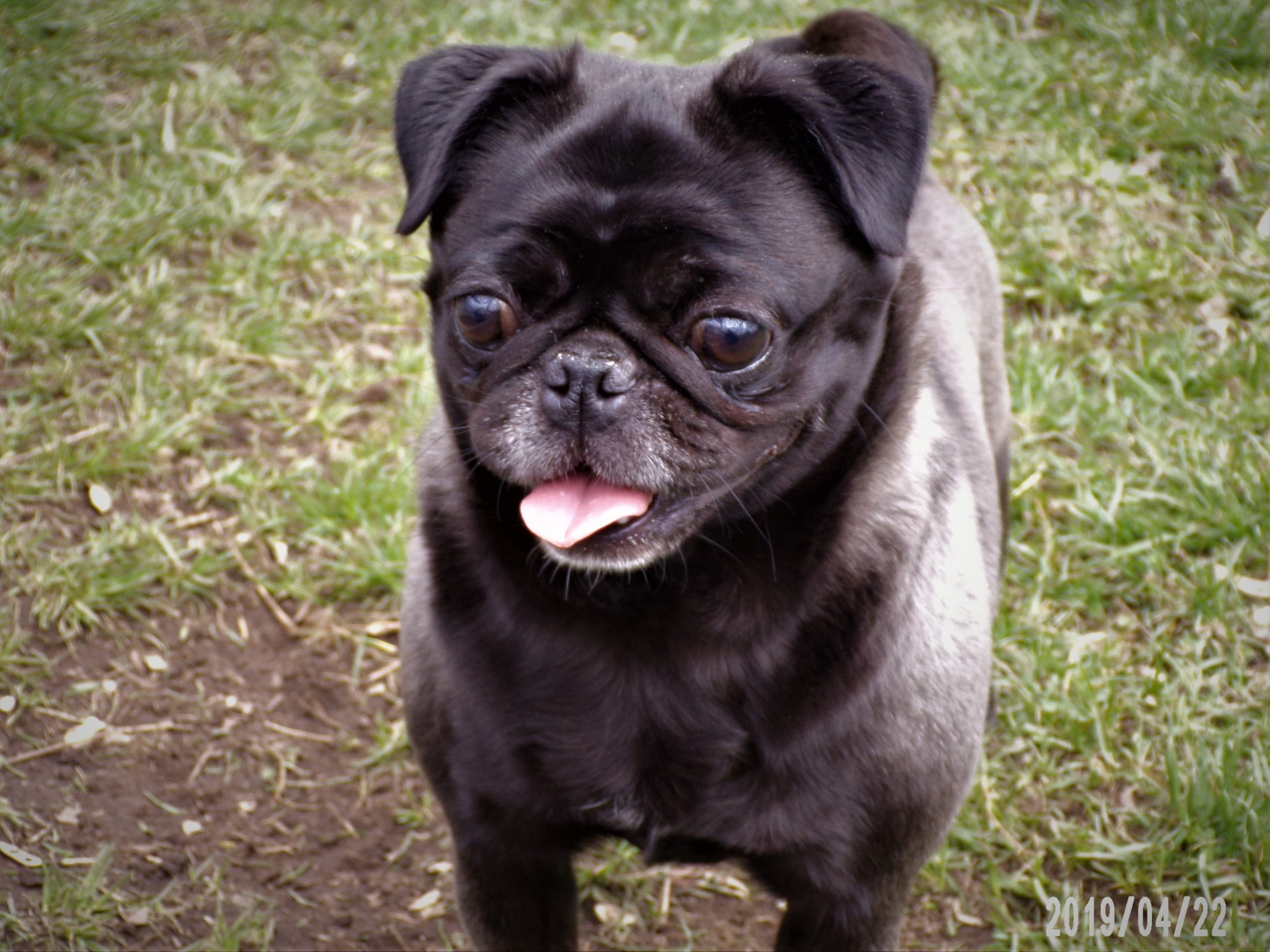
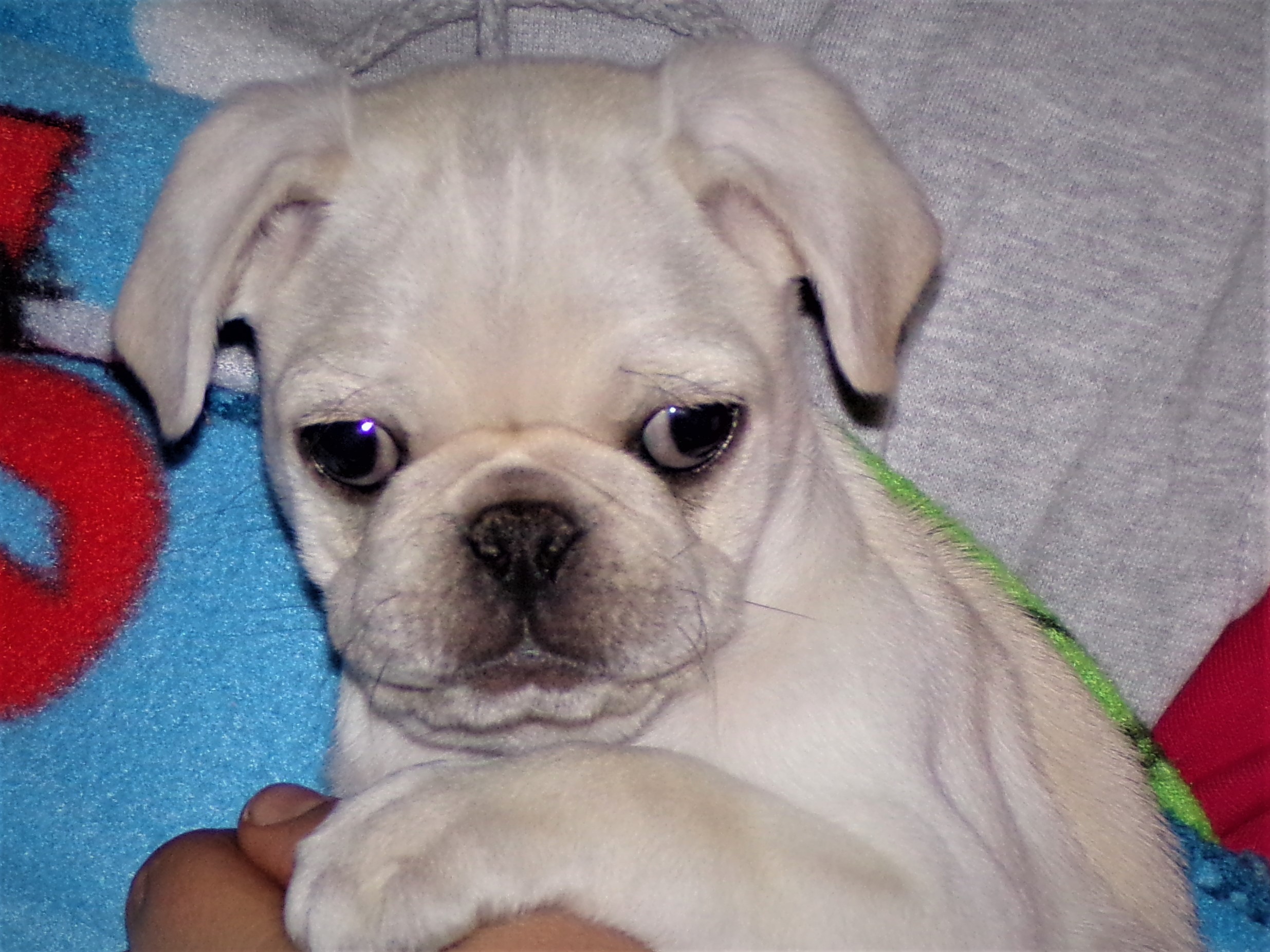
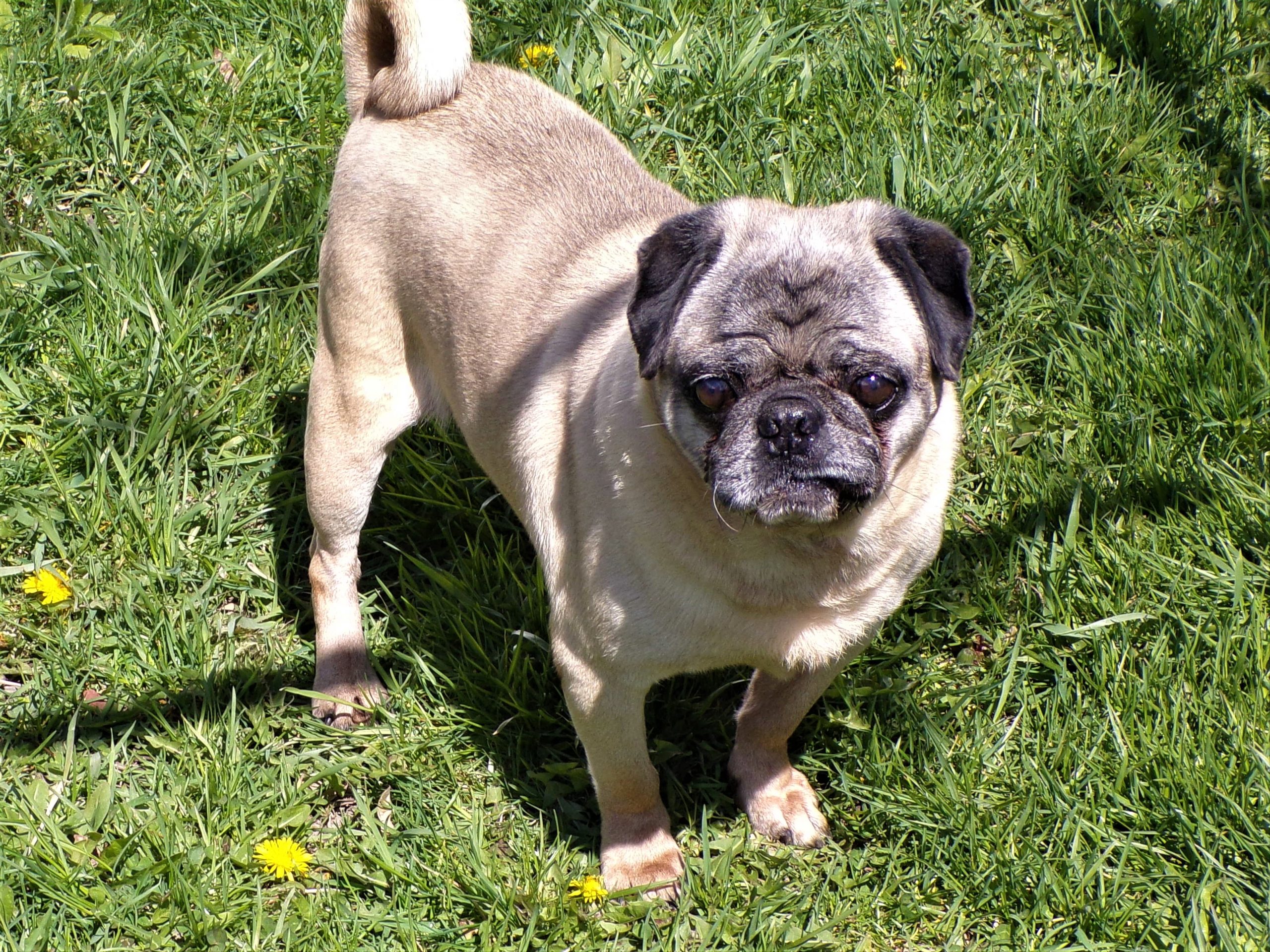
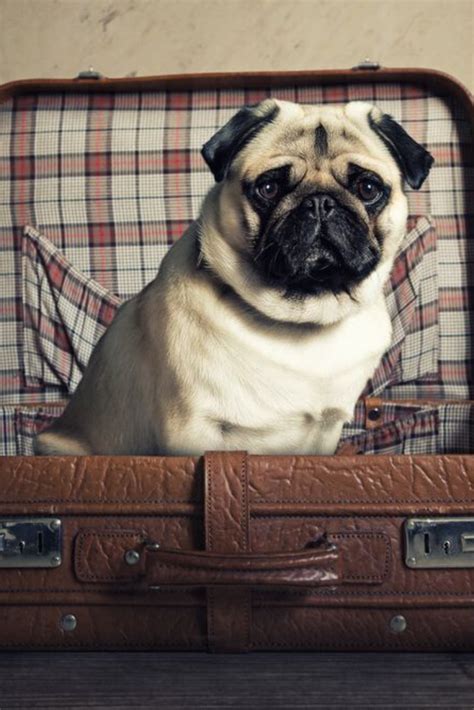
The Pug is an ancient breed originating in China around 400 B.C., where it was prized as a companion to emperors and often lived under royal protection. These cherished dogs later spread to Japan, Russia, and eventually to Europe in the 16th century, capturing the hearts of royalty such as Queen Victoria of England and Prince William of Orange. Pugs are small, compact dogs typically weighing between 14 to 18 pounds, with a short, glossy coat that comes in fawn, black, silver, or apricot. They are instantly recognizable by their wrinkled, flat-muzzled faces, expressive eyes, and curled tails. Personality-wise, Pugs are known for being charming, affectionate, and sociable—playful but dignified companions who adapt well to various living environments. Fun fact: Chinese breeders intentionally shaped the wrinkles on a Pug’s forehead to resemble the character for “prince” (王), further emphasizing their royal legacy.

Great Pyrenees: Noble Livestock Guardians

Great Pyrenees are instinctively excellent farm guard dogs and are widely used as livestock guardian dogs (LGDs). They were originally bred in the Pyrenees Mountains between France and Spain to protect flocks from predators like wolves and bears. Their territorial nature, strong protective instincts, and nocturnal vigilance make them ideal for farm settings. While they are also great home guardians and protectors of their Human family, they are best suited for farm homesteads and prefer the outdoors where they can roam freely and protect livestock. They are known for their gentle temperament with animals
and children, but they are fiercely defensive against outside threats

Saint Bernards: Courageous Companions

Saint Bernard’s are better suited as house guard dogs rather than farm guard dogs. They were originally bred for Human rescue work by the hospice of the Great ST Bernard Pass on the Italian-Swiss border. While they have a large, intimidating presence and a deep bark that easily deters intruders. Their gentle temperament towards their Human family makes them excellent family dogs and loyal companions, while they also have strong instincts and excel at watchful protection of their Human family against any outside threats. Saints require 24/7 outdoor access but often prefer spending time indoors.

  • ~ TESTIMONIALS ~ TESTIMONIALS
  • ~ PUPPY PRE-ADOPT PUGS ~ PUPPY PRE-ADOPT PUGS
  • ~ WTL #1 BREEDER ~ WTL #1 BREEDER
  • COVID 19 COVID 19
  • ~ PUGS OF DISTINCTION ~ & Ancient Chinese Pug Breeding Program Method~ PUGS OF DISTINCTION
  • ~ ADOPT APPLY PUGS ~ Applications Now Being Taken Towards Our 2023 Winter Litter ADOPT APPLY PUGS
  • ~ CONTACT US ~ CONTACT US
  • ~ PUG RESCUE WTL ~ PUG RESCUE WTL
  • Our Next New Litter Is Planned For Winter 2023 NEW LITTERS PUGS
  • $$$ Free Pugs $$$ – Older Pugs Available To Responsible Qualifying Homes FREE PUGS
  • ~ ADOPT PKGE PUGS ~ WTL’S Unparalleled Premium Pug Puppy Adoption Package ADOPT PKGE PUGS
  • Pups & Adolescents Currently Available For Adoption PUPS & ADOLESCENTS AVAILABLE PUGS

WTL & AKC

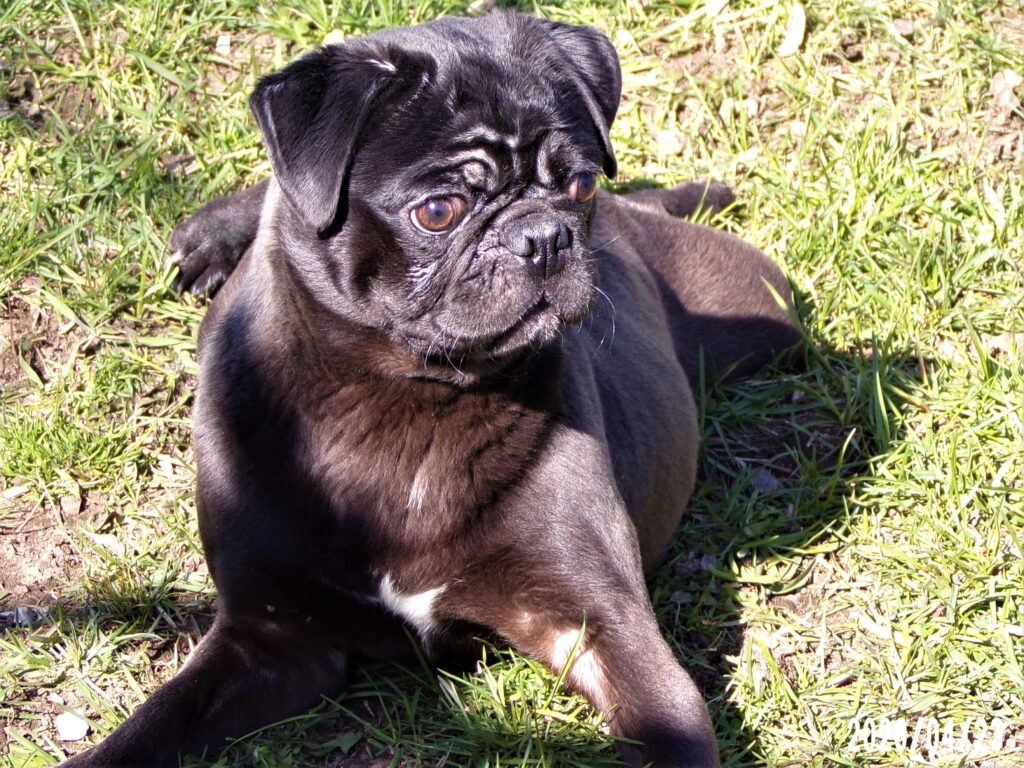
KODAK Digital Still Camera

This Page Is Currently Still Awaiting Re-Construction

WALK THE LINE PUG RANCH Private NYS Hobby Pure Breed Pug Breeder

“PUGS OF DISTINCTION” AMERICAN HOME OF THE ORIGINAL ANCIENT CHINESE PUREBREED PUG HERITAGE PRESERVATIONISTS

~ AKC & Walk The Line Pug Ranch ~ 

            WALK       
                 &   THE                         AKC     LINE                       PUG RANCH

___________________________________________________

 AKC & WTL – CLICK THE LINK DIRECTLY BELOW TO 

WALK THE LINE PUG RANCH ON AKC

 AKC & WALK THE LINE PUG RANCH 

 WALK THE LINE PUG RANCH  IS PROUDLY RECOGNIZED BY THE AKC AS A “RESPONSIBLE BREEDER” BEING IN “GOOD STATUS”… ACCORDINGLY, ALL OF OUR NEW PUG LITTERS THAT ARE SOLELY OF AMERICAN DESCENT, ARE STRICTLY REGISTERED WITH THE “AMERICAN KENNEL CLUB” AS OUR STANDARD PRACTICE…

____________________________________________                                    CLICK THE LINK DIRECTLY BELOW  TO THE MAIN AKC WEB SITE

WE LOVE PUG HOLIDAYS!CLICK THE LINK  DIRECTLY BELOW TO THE PUG BREED ON THE AKC WEB SITE

Be a Responsible Dog Owner

Among companion animals, dogs are unmatched in their devotion, loyalty and friendship to humankind. Anyone who has ever loved a dog can attest to its hundred-fold return. The excitement your dog shows when you come home, the wagging tail at the sound of the leash being taken from its hook, the delight in the tossing of a tennis ball, and the head nestled in your lap-those are only some of the rewards of being a dog owner.

Owning a dog is not just a privilege-it’s a responsibility. These animals depend on us for, at minimum, food and shelter, and deserve much more. If you are considering taking a dog into your life, you need to think seriously about the commitment that dog ownership entails. If you already have a dog, you need to consider if you are fulfilling all your obligations as its owner.

The AKC is committed to helping dog owners raise happy, healthy dogs. The list below is certainly not exhaustive, but it contains some of the essential ways you can be the best dog owner you can be.

Follow these links to view a selection of our 101 suggestions:

  • Think First
  • Make the Commitment
  • Get Ready
  • Bring Your Dog Home
  • Keep Your Dog Healthy
  • AKC Pet Insurance at a Glance
  • Be a Friend
  • Train Your Dog
  • Breed Responsibly
    • Keep Your Dog Safe
  • Get Involved
  • Be a Canine Ambassador


Think First

  1. Recognize the Commitment
    Dog ownership is not something to be entered into lightly. Owning a dog is a long-term emotional and financial commitment. Before deciding that a certain dog is right for you, you must make an honest assessment as to whether your home is right for any dog.
  2. Evaluate Your Lifestyle
    If you get a dog, he (or she) will become a part of your life. You need to make sure that he’s suited for your lifestyle. For example, if you are athletic, you will probably not be happy with a dog that has a low energy level. If you are extremely neat, you will probably want a dog that doesn’t shed much. All aspects of your family’s life – hobbies, activities, personalities, schedules – should be evaluated before you get a dog.
  3. Make a List
    Based on your evaluation, determine what qualities you want in a dog. Consider size, energy level, grooming needs, trainability and temperament. Do you want a guard dog or a lap dog? Is it important that your dog get along with children? If you rent your home, are there restrictions on height, weight or breed? Answer these questions now – once you bring a dog home, it can be heartbreaking to realize that you made the wrong choice.
  4. Choose a Breed
    Once you have made your list of ideal characteristics, do some research to find which breeds fit that profile. Go to your local library, attend a dog show, and visit the AKC website. Narrow your choices to the breed that seems right for you.
  5. Get a Referral
    You have a much better chance of being satisfied if you get your dog from a responsible, ethical breeder whose primary concern is to produce dogs of high quality, good health and stable temperament. The AKC has a Breeder Referral contact for each recognized breed. These individuals can put you in contact with breeders or rescue organizations in your area.
  6. Make Contact
    Get in touch with the breed contacts in your area. Let them know that you are interested in their breed. Be able to demonstrate that you have put thought into your choice. Don’t be discouraged if the first breeder you talk to does not have puppies available right away. That person may know another breeder in the region.
  7. Ask Questions
    Ask the breeder any questions you can think of about the breed. When you find a breeder you’re comfortable with, ask to visit the kennel and view the dogs on the breeder’s premises. Inquire about health problems of the breed, and what can be done to prevent or control them. Find out what kinds of activities, including competition, the breeder’s dogs participate in and enjoy. The breeder’s dogs are a preview of what your dog will be.
  8. Consider an Older Dog
    Puppies aren’t for everyone. If an older dog better fits your lifestyle, check the AKC website for breed rescue groups. These organizations rescue purebred dogs that have been lost, abandoned or surrendered due to the death or illness of their owners. Most rescue dogs have been spayed or neutered and are screened for health and temperament problems. Rescue is a not only a great source for purebred dogs, it’s also a way to save the life of a dog in need.
  9. Expect Questions
    A responsible breeder or rescue contact will ask you extensive questions about the type of home you can offer a dog. These people are as committed as you are to making the right match between you and a dog. Give honest answers to their questions. Remember that, due to their experience in the breed, they know what issues are important in placing one of their dogs.
  10. Prepare to Wait
    Availability varies. Be aware that a puppy or dog of the breed you’ve decided on may not be easy to find. Responsible breeders do not breed often, and many times the puppies of a planned breeding are already spoken for. Just remember that a good dog is worth waiting for.
  11. Skip the Holidays
    Many people try to buy puppies as Christmas gifts for children or other family members. Most breeders do not recommend this. You should be prepared to give a new puppy your undivided attention, and that is rarely possible during the busy holiday season. A better idea is to give dog-related gifts – toys, leashes, grooming tools – and then bring your puppy home when all the excitement has died down.


Make the Commitment

  1. Pick Your Pet
    When the time has come to select your pet, consider your options carefully. Respect your breeder’s input about which puppy is right for you. If you are rescuing an older dog, ask your contact person for information on its health, temperament, behavior and history.
  2. Get It in Writing
    Information about the sale or adoption should be in writing. The contract should include, for example, details regarding any fees, spay-neuter agreements, health guarantees, terms of co-ownership, restrictions on breeding, and living arrangements. It should also include instructions on what to do if the dog, despite your best efforts, simply doesn’t work out for you or your family. Most responsible breeders will insist that the dog be returned to them.
  3. Get Your Papers
    Get your AKC registration application from the breeder when you purchase the puppy. Make sure the breeder completes the appropriate sections of the form and signs it. The breeder can also help you fill out your section correctly.
  4. Register Your Dog
    Send the completed, signed registration application to the AKC. Your dog will then become part of the nation’s largest registry of purebred dogs and as well as being eligible for a variety of competitive events you can also activate a 30 day certificate of pet insurance from AKC Pet Insurance*. If you rescue a dog, consider applying for a Purebred Alternative Listing/Indefinite Listing Privilege (PAL/ILP) number. This number will allow your dog to participate in some performance events.


Get Ready

  1. Prepare Yourself
    Get ready for your new friend before you bring him home, to make sure the transition will be as smooth as possible. Buy food, treats, a collar and leash, toys, grooming tools and other necessities in advance so your dog or puppy will have everything he needs.
  2. Make a Schedule
    You and your family members should decide who will be responsible for food, water, walking, exercise, clean-up and grooming. Post a schedule of tasks in a visible area of the house to remind everyone of their responsibilities.
  3. Dog-Proof Your Home
    Prepare your home before your new dog arrives. Move breakables or “chewables” to higher ground. Make electrical cords inaccessible to curious paws and noses. Block off any area of the house that you want off-limits to the dog. Put the lid down on your toilet and your shoes up in your closet. Block access to any house or garden plants that may be toxic to dogs.
  4. Set a Containment Policy
    It is essential that you have a secure method of keeping your dog on your property. Check your fence for spots vulnerable to chewing or digging. If your yard is not fenced, consider a large dog run or invisible fencing. If your property is not fenced in some way, stress to family members that the dog must be leashed at all times when taken outdoors.
  5. Get a Collar
    Your dog should wear a flat leather or nylon collar with a buckle at all times, except when in a crate. (The buckle can catch on the crate and cause injury.) The collar should be tight enough that it will not slide over the dog’s ears, but loose enough that you can fit two fingers between the collar and the dog’s neck. Check the fit of the collar often, especially if you have a fast-growing puppy.
  6. Make a Bed
    Every dog needs a quiet place to call his own. Create a comfortable area, whether a crate, a mat or a pile of blankets, for your dog to go to when he needs rest or privacy.
  7. Buy Some Toys
    Provide your dog with a variety of toys to prevent him from playing with your socks and shoes, your morning paper, or your child’s favorite doll. Get some toys that you and your dog can play with together, such as balls and plush toys, and some things to keep him busy when he’s alone, such as chewies or rope bones. Never leave your dog unattended with any toy that has small, detachable parts.
  8. Find a Veterinarian
    You should choose a veterinarian for your dog as soon as possible. Have your dog examined by the vet within a few days of his arrival. Give your vet copies of the dog’s health records, and set up a vaccination and check-up schedule.


Bring Your Dog Home

  1. Welcome Your New Pet
    At last! You’ve made all the preparations, and it’s finally time to bring your new friend home. Give him the best welcome possible. With love, patience and mutual respect, he will feel like part of the family in no time.
  2. Let Your Dog Adjust
    Give the dog time to adjust to his new home. The dog is bound to feel insecure and frightened by a change in environment, and a pup may be homesick for his mother or littermates. Show him to his crate or bed, and where to find food and water. Then leave him alone to explore the new surroundings.
  3. Name Your Dog
    Your dog will need a good name. Your breeder may have suggestions or even requirements for his AKC-registered name, but his call or informal name is up to you. Older adopted dogs can adjust quickly to a new name.
  4. Make Introductions
    Introduce your dog to your household slowly. Many pairs of hands petting him at once will only frighten him. Later, introduce him to neighbors, regular visitors and other family members. Give your dog a sense of who your – and your dog’s – friends are.
  5. Introduce Other Pets
    Other companion animals in your home should also be properly introduced to your new dog or puppy. Don’t expect them to get along right away, and don’t try to force them to play together. Give them time to adjust to one another.
  6. Housetrain
    Whichever method of housetraining you have chosen – crate training, paper training or litter box – make sure that all members of the family enforce it consistently. Accidents happen, so have a procedure for clean-up.
  7. Set House Rules
    Teach your dog from the beginning what is and is not appropriate behavior. If something is “OK” today, your puppy will think it’s OK forever. Make sure that every member of the family enforces the house rules. Consistency is the key to having a well-behaved pet.


Keep Your Dog Healthy

  1. Go to the Veterinarian
    Set up a schedule for regular check-ups with your veterinarian. Ask the vet questions about your dog’s diet, behavior, activity level or other concerns. Contact the veterinarian at once if your dog seems ill or in pain. As a special registration benefit, the AKC has arranged 30 days of pet insurance coverage from AKC Pet Insurance* for newly registered puppies. Details about this special complimentary benefit will be sent to you shortly after registration.
  2. Feed a Good Diet
    Work with your veterinarian or breeder to find the food that is best for your dog’s age, size and activity level. Keep the diet consistent. Always provide plenty of fresh, clean water.
  3. Exercise
    Dogs need regular exercise to ensure continuing good health. Take your dog for walks, run around in the yard, throw a ball around – anything to get him up and moving. This will benefit his health and could prevent behavior problems.
  4. Vaccinate
    Dogs should follow a strict schedule of vaccinations to prevent diseases. Keep your dog current on his vaccinations, following the schedule recommended by your veterinarian. Keep a copy of your dog’s vaccination records handy.
  5. Prevent Disease
    You can take steps to prevent other diseases not covered by the regular series of vaccinations. Depending on the area of the country you live in, your dog could be at risk for diseases such as heartworm and Lyme disease. Ask your veterinarian for advice on prevention.
  6. Repel Fleas and Ticks
    Aside from discomfort, parasites such as fleas and ticks can cause serious diseases. Keep your dog, his bedding, and your home free from parasites by using the method recommended by your veterinarian.
  7. Know Your Dog’s Patterns
    You should become familiar with your dog’s patterns in terms of eating, drinking, sleeping and relieving himself. Any major variations in these patterns could indicate illness and should be reported to your veterinarian.
  8. Provide Chew Toys
    Dogs never outgrow the need to chew. Protect your possessions by providing a variety of chew toys to satisfy your dog’s urges.
  9. Bathe Your Dog
    A clean dog is a healthy dog. Bathe your dog on a regular basis appropriate to his breed and environment. Overbathing can be harmful to a dog’s skin. Use a good shampoo and be sure to rinse well. If bathing your dog is more than you can handle, take him to a groomer or veterinarian for help.
  10. Groom Your Dog
    All dogs should be groomed regularly for health and best appearance. Some short-coated breeds need just a quick brushing every week, while some longer-coated breeds need daily brushing to prevent matting and to reduce shedding. If your dog requires clipping or sculpting, you may want to consult a professional groomer.
  11. Clip Those Nails
    Keeping your dog’s nails short will keep him comfortable, prevent injury to his feet, and may save the surface of your floors. If you can hear your dog’s nails click on a hard surface, they need to be trimmed. Ask your veterinarian for advice on clipping your dog’s nails yourself.
  12. Clean Those Teeth
    To prevent tooth decay and gum disease, clean your dog’s teeth regularly. Most dogs will accept a “toothbrush” if introduced to it slowly and gently. You can also give your dog products such as hard biscuits, rope bones and nylon chews to keep his teeth clean.
  13. Prevent Obesity
    Keep your dog healthy by maintaining him at an appropriate weight. Feed him a well-balanced diet and give him plenty of exercise. Don’t give in to begging – “people food” is generally bad for dogs.
  14. Know Your Breed’s Health Risks
    You should be aware of common health problems in your breed, how to prevent them, and how to recognize their onset. For example, some giant breeds are prone to bloat, while some short-faced breeds are prone to respiratory problems. Ask your breeder or veterinarian for information about any signs or symptoms you should watch for in your pet.
  15. Protect From Poisons
    Make sure that your home and yard are free from poisonous substances, such as antifreeze, which tastes good but can cause serious illness or even death. Keep your veterinarian’s number handy in case of accidental ingestion.
  16. Be Alert to Changing Needs
    As your dog ages, his needs will change. He may require a different diet, need more sleep, and be less active. Do what you can to keep him comfortable. Your dog may not be as “fun” as he once was, but he is the same dog you loved as a puppy. You should do everything you can to pamper him in his final years.
  17. End Suffering
    If, due to illness or old age, your dog reaches a point where his quality of life is severely compromised, arrange to end his life humanely. Letting go is sometimes the kindest thing you can do. Don’t prolong the suffering because you fear the pain of losing your dog.


Keep Your Dog Safe

  1. I.D. Your Dog
    Your dog should wear an identification tag with your name, address and phone number at all times. This will increase the chances of your dog being returned to you if he is lost or runs away.
  2. Consider Microchips or Tattoos
    Microchips and tattoos are methods of permanently identifying your dog, and can be invaluable in recovering your dog should he become lost. You may wish to enroll your dog in AKC’s affiliate, the AKC Reunite service, which is the nation’s largest database of microchipped pets.
  3. Provide Shelter
    Your dog needs a sheltered area for the time he spends outside. The shelter should provide shade in summer and warmth in winter.
  4. Watch the Heat
    Dogs can succumb to heat stress in a matter of minutes. Do not leave your dog in the car when the temperature is high. When your dog is outside, he should have a shady place to lay down and plenty of fresh, cool water.
  5. Travel Safely
    Keep your dog safe in the car by using a crate, or by attaching the dog to a seat belt with a harness. Never let your dog ride free in the back of a pickup truck, or allow him to hang his head out of the car window.
  6. Find a Pet-Sitter or Boarding Kennel
    Make arrangements for your dog’s care when you go away. Have a friend or reliable pet-sitter come over to tend to the dog, or find a good kennel for boarding. If you opt for boarding, try to inspect the facilities before you drop your dog off.
  7. Prepare for Disaster
    Be prepared to care for your dog in the event of a disaster such as fire, flood, hurricane or earthquake. Make an emergency kit with clean water, food, and first aid equipment. Find out in advance if the evacuation shelters in your area allow animals. If not, develop alternatives.
  8. Establish an Emergency Contact
    Enlist a family member or friend to take care of your dog in the event of a sudden illness, hospitalization or other emergency. This person should ideally be someone your dog has spent some time with and is comfortable with. Leave a list of general care instructions in a safe place.
  9. Make a Will
    You should make arrangements for the safety and care of your pet in the event of your death. Don’t assume that a family member will step in to take care of the dog.
  10. Take Pictures
    Of course, you will want a picture of your dog to grace your desk or to send as a Christmas card. More importantly, a current photo will be invaluable in the event that your dog is lost.


Be a Friend

  1. Play!
    Dogs, of course, love to play. Set aside time each day for play sessions. Apart from the obvious benefit of having fun together, play also provides an outlet for your dog’s energy.
  2. Go On Walks
    Take your dog on frequent walks. He will enjoy exploring the neighborhood and will benefit from the exercise. Make sure that you have a good strong leash and that you maintain control of the dog at all times.
  3. Talk to Your Dog
    Your dog won’t understand your words, but he will enjoy the sound of your voice. Talking to your dog will make him feel involved. You can also use different voice levels to praise or correct your dog’s behavior.
  4. Give Treats
    Your dog will always appreciate a treat, and treats can be used as a supplement to his regular diet, as well as an excellent training aid.
  5. Love Your Dog
    Your dog will love you no matter what. Return the favor.
  6. Switch Out Toys
    Keep your dog entertained by rotating his toys. Put “old” toys out of sight for a month or two and then bring them out again – your dog will enjoy them just as much as when they were new.
  7. Give Your Time
    You are the center of your dog’s world. You may be tired after a long day at work, but your dog has spent the day anxiously awaiting your return. Reward that loyalty with your time. Pet him, talk to him, play with him, laugh with him. Let your dog know you value his company.
  8. Find the “Spot”
    Scratch your dog’s belly often. If you find the “spot,” so much the better.
  9. Leave the Radio On
    Try leaving the radio or television on when you leave your dog alone. The noise will keep him company.
  10. Plan Activities With Your Dog
    Include your dog in family activities. Take him to the park or on outings to the beach, or to special activities such as the “Dog Olympics” or dog parades. Your dog will love being out and about with you.
  11. Give a Massage
    Dogs love to be petted, and recent studies have shown that structured massages may be beneficial to your dog’s health and behavior. They may also be very relaxing for you!
  12. Make That Tail Wag
    Your dog’s tail is a barometer of his emotions. Do what you can to keep it happily wagging.
  13. Go On Trips
    Dogs can add another element of fun to a family vacation. Check ahead for lodging that accepts dogs. If flying, ask about travel accommodations for your dog when you make your reservations.
  14. Ease Separation Anxiety
    Your dog will want to be with you at all times, but for most people that simply isn’t possible. Help your dog get used to being alone. Leave him each day with a minimum of fuss. When you come home, greet him calmly. This will teach him that your leaving is not something to be concerned about.
  15. Give Kisses
    Give your dog a kiss, and see how many you get in return.
  16. Get Another One!
    Dogs are pack animals by nature and generally enjoy the company of other dogs. Your dog may benefit greatly from having a companion to play with. Be as conscientious about getting a second dog as you were about getting the first; multiple dog ownership isn’t for everyone, and some dogs do better as an “only.”
  17. Don’t Let Your Dog Down
    You aren’t a dog owner just at Christmas, or on the weekends, or in the afternoon, or when you have spare time. You aren’t a dog owner just when the dog is behaving, or when he’s a cute fuzzy puppy, or when he’s winning awards. When you bring a dog into your family, that dog is yours for life. If you can’t keep that commitment, don’t make it. And once you’ve made it, don’t break it. Your dog’s life depends on you.


Train Your Dog

  1. Teach Basic Commands
    Teach your dog basic commands such as sit, stay, come and down. Training your dog will not only make your life easier, but will also fulfill your dog’s desire to learn and please you.
  2. Socialize Your Dog
    Expose your dog to different people and settings regularly. Take him to the park, to the pet store, on a walk through town. Praise him for accepting petting from friendly strangers, and for behaving calmly around other dogs. The more your dog learns of the world, the more comfortable he will be in it.
  3. Go to Class
    Obedience classes can be a great experience for you and your dog. You may even discover that your dog has a great talent for learning, and be able to compete in obedience, agility or tracking events.
  4. Prevent Nuisance Barking
    Don’t let your dog’s incessant barking annoy your neighbors. Teach your dog not to bark without real provocation. If your dog’s barking is causing problems while you’re away from home, try a silencing collar.
  5. Praise Your Dog
    Because your dog loves you, he wants to please you. Praise him lavishly for obeying commands and behaving well. Using positive, rather than negative, reinforcement will help your dog enjoy learning.
  6. Supervise Play With Children
    Children and dogs can be great companions, but they also require supervision when playing together. Your dog may be “good with kids,” but what if he encounters a kid that is not good with dogs? Very small children should never be left alone with a dog, no matter how stable his temperament.
  7. Give Your Dog a Job
    Keep your dog active and alert by giving him tasks to do. Teach him to fetch the paper, carry groceries in a pack or empty the dryer. Make him sit before getting a treat or lay down before going outside. Giving your dog a sense of purpose and accomplishment will increase his sense of well-being.


Breed Responsibly

  1. Breed To Improve
    Breeding should only be done for the advancement of the breed. If you are thinking about breeding your dog, consult your breeder for advice. Consider all the consequences-and expenses-of breeding a litter before you do so. Consult AKC publications for more information as well.
  2. Spay or Neuter
    The American Kennel Club encourages pet owners to spay or neuter their dogs as a responsible means to prevent accidental breeding resulting in unwanted puppies.
  3. Contain Bitches in Heat
    If your female dog goes into heat, or season, make sure to keep her properly secured. Males can sense a female in heat up to five miles away. An accessible bitch in heat can lead to unplanned breedings, not to mention fights among dogs frantic to get to her.
  4. Perform Genetic Screening
    If you plan to breed your dog, it is very important to test for health and disease. Perform all available tests to rule out the possibility of passing on a genetic defect.


Get Involved

  1. Join an AKC Club
    Your local AKC dog club is a great resource. Many clubs offer educational seminars and health clinics. It’s also a good place to start if you plan to compete in competitive events with your dog.
  2. Earn an AKC Title
    Explore the sport of dogs by participating in AKC events. The AKC offers titles for accomplishment in a wide variety of competition types and levels. Find an event that’s right for your dog, and have fun.
  3. Encourage Breed Behavior
    All purebred dogs were developed with a purpose in mind. Find activities that will encourage your dog to fulfill her breed’s purpose. The AKC offers many performance events geared toward specific breeds.
  4. Involve the Kids
    Your children can have fun and learn more about dogs and dog care by participating in AKC Junior Showmanship events. Through the National Junior Organization, your child can compete in conformation and performance events, attend seminars, and earn scholarships.
  5. Find a Mentor
    If you plan to breed or show your dog, you will want to find a knowledgeable person in the breed to show you the ropes. A mentor can be an invaluable source of experience and information, and can help make your “novice” days much easier.
  6. Read All About It
    Keep up with the latest dog news and information by reading or subscribing to AKC publications. From The Complete Dog Book to the AKC Gazette to numerous free publications, the AKC provides a wealth of materials on all areas of the dog world.


Be a Canine Ambassador

  1. Set a Good Example
    As a dog owner, you are responsible not only for your own dog’s well being, but for the status of dogs everywhere. One irresponsible dog owner in town can make life difficult for dog owners all over. Owning a friendly, clean, well-mannered dog reflects positively on the species and may help protect our rights to own companion animals.
  2. Respect Your Neighbors
    Not everyone will love your dog as much as you do. Keep your dog on your property. Don’t force your dog’s company on a neighbor who isn’t comfortable with dogs.
  3. Don’t Leave Leavings
    Always carry a plastic “baggy” or two with you when you walk your dog to pick up any waste it leaves behind, then dispose of the waste properly. Failure to clean up after your dog is disrespectful to your neighbors.
  4. Respect Local Laws
    Heed the laws regarding dog ownership in your city or county. These may include registration, leash laws and nuisance barking laws. Failure to obey the laws in your area may not only result in the loss of your dogs, but may also infringe upon the rights of others in your area.
  5. Fight Anti-Dog Legislation
    Be aware of any legislation developing in your city or state that may compromise the rights of responsible dog owners. Become an active voice against legislation directed against specific breeds. For more information, contact the Canine Legislation and Public Education departments at the AKC.
  6. Let Your Dog Help Others
    Dogs are invaluable in providing service to humans – visiting the sick, helping the disabled, locating missing persons, and much more. If your dog is of the correct temperament, you and he can reap the rewards of helping others.
  7. Get a Canine Good Citizen(r) Certificate
    Your dog can become an American Kennel Club Canine Good Citizen by passing a test designed to demonstrate good manners and acceptable behavior in everyday situations. The CGC program has become a standard for recognizing obedient dogs and responsible dog owners throughout the country.
  8. Show Your Pride
    Of course you should let your dog know when you’re proud of him, but let others know it too. Bringing a well-behaved dog into public places or showing off his talents at competitive events is an excellent way to “advertise” the rewards of canine companionship.
  9. Contact the AKC
    For more information on how to be a responsible dog owner, contact the American Kennel Club.


The AKC Pet Insurance Certificate is administered by PetPartners, Inc. and is underwritten by American Pet Insurance Company, 907 NW Ballard Way, Seattle WA 98107-4607. Activation is required, may not be available in all states and only available to U.S. residents. Eligibility restrictions apply. Visit www.akcpetinsurance.com/certificate or call 1-866-725-2747 for more information or to review terms and conditions.

    AKC LINK FOR  – “BE A RESPONSIBLE DOG OWNER” 

                               WALK THE LINE – FUTURE BREEDING SIRE – “PRINCE ALPHA SPARTACUS”

                                                HAPPY PUGSPRING “2017”

  • ~ OUR FARM ~ From Ancient Lineages to Loving Homes – We Breed with Purpose WELCOME TO OUR FARM'S, WALK THE LINE PUG RANCH & HARD ROCK FARM'S GREAT PYRENEES & SAINT BERNARDS
  • ~ SAINT BERNARD BREED ~ SAINT BERNARD BREED
  • ~NEW LITTERS PYRS & SAINTS~ NEW LITTERS PYRS & SAINTS
  • Our Next New Litter Is Planned For Winter 2023 NEW LITTERS PUGS
  • ~ WEB SITE INTRODUCTION ~ Introducing The Groundbreaking Of Our New & Exciting Website! WEBSITE INTRODUCTION
  • ~PUPS AND ADOLESCENTS AVALIBLE PYRS & SAINTS~ PUPS & ADOLESCENTS AVAILABLE PYRS & SAINTS
  • ~ VISTITATIONS ~ VISITATIONS
  • ~ PUG BREED ~ Origin, Brief History, & Characteristics PUG BREED
  • PUG CHOW PUG CHOW
  • ~ PUPPY PRE-ADOPT PUGS ~ PUPPY PRE-ADOPT PUGS
  • ~ OUR LOCATION ~ OUR LOCATION
  • ~ CONTACT US ~ CONTACT US

******************************************************************

!!! Every Dog Has It’s Day !!!

{WTL & HRF PROVIDES FREE FOR THE LIFE OF OUR CANINE ADOPTED COMPANIONS}

(24) HOUR – (7) DAYS A WEEK URGENT ADVICE & GENERAL CANINE HEALTH CARE INFORMATION IS PROVIDED TO OUR CANINE ADOPTIVE PARENTS AT NO CHARGE!

WEBSITES: WALKTHELINEPUGRANCH.ORG …. HARDROCKFARM-PYRS-SAINTS.ORG

EMAILS: WALKTHELINEPUGRANCH@OUTLOOK.COM …. WALKTHELINEPUGRANCH@GMAIL.COM

EMAILS: HARDROCKFARMLLC@OUTLOOK.COM …. HARDROCKFARMLLC@GMAIL.COM

TELE/TEXT: (315) 816-1330 (Leave Message)

__________________________________________________

Being that we are a small private family with very limited staff and no time for daytime administration, our response to inquiries is typically late night… In order for us to reply in a timely manner please follow the guidelines as posted below…

New Inquirers please DO NOT Call or Text, no disrespect but due to most of our Daily Time being focused around the hands on care of our Animals & our hectic Farming schedule, we are not afforded the time or ability to respond immediately to unscreened initial calls or texts…

=====================

The three preferred methods of contact are:

1) Email us at either walkthelinepugranch@outlook.com or hardrockfarmllc@outlook.com

2) Fill out the contact form on the left sidebar just above

3) If you’re already a serious inquirer, please go to either “ADOPT APPLY PUGS” or  “ADOPT APPLY PYRS & SAINTS” and submit the application form

Once we receive your initial inquiry, we will contact you according to your request, and at that time will then also be more than happy to set up an introductory informational telephone conference with you...

========================================

Live Telephone Calls Are Provided To Our Existing Canine Adoptive Parents Upon Request, 24/7…/

For Further Contact Information, All New Inquirers Please Also Refer To The Web Site Tab: “CONTACT US”

_________________________________________________________
_______________________________________
_____________________________
_____________________

=======================================

Please Click On The “We Love Doodles” Logo Above, To Be Taken Directly To The Their Article Which Includes Walk The Line Pug Ranch…

Written By: Sabrina Kong, DVM, Veterinarian.

******************************************************************

“The COVID-19 Epidemic is A Global War Of The Worlds, Only This Time The Aliens Have The Virus On Their Side“

………………………………………. Dragonmaster

=====================================================

Registration & Pedigree Information

Walk The Line Pug’s and Hard Rock Farm’s Noble Giants litters are eligible for official registration based on their purebred heritage. Registrations may be processed through AKC Kennel Club. (United States) the United Kennel Club, (Internationally) CKC Kennel Club, (Canada) or the National General Kennel Club (China), (standard restricted use).

Registration papers are included as a standard part of our Puppy Adoption Packages, provided upon initial request and in compliance with the terms outlined in the case-specific WTL or HRF Adoption Contract. In instances where a spay/neuter agreement is required, registration documents will only be released upon full compliance with that agreement.

Once the adoptive family has submitted all required documentation and the puppy has reached the appropriate age (per the adoption agreement), registration papers are sent via regular U.S. Mail. Additionally, full pedigrees are available upon request and assessed case-by-case for an additional fee.

Commitment to Purebred Excellence

Our canines are strictly purebred, coming from bloodlines that are exceptionally healthy, free of disease, and devoid of congenital defects. Despite common misconceptions, hybrids and mixed breeds often introduce unpredictable and undesirable genetic complications. Only through a well-orchestrated and conscientious purebred breeding program can we ensure the healthiest, most immune-efficient, and genetically sound offspring.

Due to the widespread misuse and irresponsible breeding practices common in the industry, we rarely offer registration papers with breeding rights. However, unrestricted registration may be granted under special circumstances—reserved only for individuals who demonstrate, through our detailed Canine Adoption Application process, either a sound reason or a proven record of responsible breeding experience.

— Walk The Line Pug Ranch & Hard Rock Farm

~~~~~~~~~~~~~~~~~~~~~~~~~~~~~~~~~~~~~~~~~~~~~~~~~

~~~~~~~~~~~~~~~~~~~~~~~~~~~~~~~~~~~~~~~~~~~~~~~~~~~~~~~~~~

Communications Policy

Walk The Line Pug Ranch and Hard Rock Farm are active, 24/7/365, with our daily focus centered around the hands-on care of our animals. Due to our demanding schedule, we are often unavailable for immediate communication throughout the day

Routine Correspondence

Our primary communication window for non-urgent emails, texts, and scheduled phone calls typically occurs after 8:00 PM and during late-night hours, seven days a week—by appointment only, as time permits. If you do not receive a prompt response within your anticipated timeframe, please understand that we are not ignoring your message; we are simply attending to higher-priority animal care matters and will reach out as soon as we are available.

Urgent Canine Health-Related Concerns

For families who have already adopted one of our canines, we offer free, 24/7/365 support via email and text for urgent canine general health concerns. These inquiries are given our highest priority attention. (Please note: telephone support is not available for this service.)

How to Reach Us

To help us serve you better, please leave your email address and telephone number with your message. We again respectfully ask that you do not call us without a scheduled appointment or without first completing the brief information form available under the “Contact Us” tab on our website. Due to time constraints we are unable to respond to unscheduled phone calls.

Thank you for your understanding and cooperation.

Walk The Line Pug Ranch & Hard Rock Farm

~~~~~~~~~~~~~~~~~~~~~~~~~~~~~~~~~~~~~~~~~~~~~~~~~~~~~~~~~~~~

DISCLAIMER

Walk The Line Pug Ranch and Hard Rock Farm, along with any of their currently active representatives, are not licensed in the practice of Veterinary Medicine. However, through extensive experience and extensive continued study, we proudly offer our well-informed opinions, free of charge, to the adoptive families of our Canines. This includes health care advice, general assistance, and support—freely shared with those fortunate to listen.

Our knowledge is rooted in over 25 years of hands-on experience, developed through direct care of our animals in partnership with licensed veterinarians. It is further strengthened by insights from our network of veterinary-trained mentors and our own in-depth study and regular practical application of veterinary principles as they relate to purebred canine health care.

We provide this information across our email and telephone correspondence, adoption documents, and throughout our comprehensive, health-focused website. It is not intended to replace the guidance of your own licensed DVM or MD, but rather to support and complement it. We firmly encourage all adoptive families to maintain an ongoing relationship with a trusted, licensed veterinarian of your own choosing.

For an excellent source of veterinary insight in the Northeastern U.S., we recommend reaching out to Cornell University in Ithaca, NY at (607) 253-3060.

WTL & HRF cannot enforce our Adoptive Parents into contracting &/or using your own privately chosen licensed Veterinarian; We cannot control Nature; We cannot enforce our AP’s to read the Comprehensive Canine Health Care Information that we provide; We cannot control how any of our advice is interpreted or comprehended; Whether our advice is used timely and applied correctly, incorrectly, or even at all..! For these and any other reasons whatsoever WTL & HRF is to be held completely harmless from whatever the outcome from any Adoptive Parent or other individual not seeking our timely free assistance/advice as advised, or by the improper application of any “Free Canine Health Care Assistance &/or Advice” as is provided by WTL & HRF, any of our representatives, or by any other WTL & HRF recommended source…

Walk The Line Pug Ranch & Hard Rock Farm

==================================================

======================

=======

~ Testimonial by Lynda & Kevin Rouser, Massachusetts ~
“We started working with Walk The Line a year ago on the pre-adoption of two puppies. The level of attention and devotion they showed was unparalleled, as if we were the only adoptive family with whom they were working. Their knowledge about the breed and best health care practices are unsurpassed. The gallery was a constant source of delight and amazement as we watched our girls grow from newborns to the 10-wk old wonders we picked up in August, 2012. We could not be more pleased with our decision to pursue an adoption through Walk The Line; our girls are remarkably healthy, spunky, sweet-natured, and simply gorgeous. It was well worth the eight-hour drive to pick them up, and they were gracious enough to spend as much time as we needed to review the comprehensive binder and materials that are included as part of their adoption package. We do not hesitate in recommending and/or referring others to Walk The Line. Thanks for bringing so much joy into our lives! ” 

The best of the best! Lynda

Copyright © 2023 Walk The Line Pug Ranch

Powered by PressBook Premium theme